

A reliable supplier comparison starts with one shared specification. It should show what each company confirmed, changed or left open.
“Factory direct” or “best quality” is not a comparison method. Use model-specific evidence, sample review and a written commercial scope instead.
Compare identical quotation inputs
Give each bidder the same model code, finish, dimensions and quantity. Use the same destination and delivery basis when comparing the commercial result.
Our RFQ checklist helps you keep the baseline visible. If one supplier proposes a substitute, record it as a separate offer.
| Shared input | Comparison question |
|---|---|
| Model and finish | Is the quoted reference exactly requested? |
| Dimensions | Are overall and effective coverage measurements identified? |
| Quantity | Are pieces, cartons and area using the same units? |
| Packaging | Does the offer include the same protection and labels? |
| Delivery | Does the price use the same destination and basis? |
| Documents | Does the evidence apply to the exact model? |
Never rank a substitute beside the requested model without labeling the difference. A lower price can reflect a different construction, size or scope.
Review identity and traceability
Ask each supplier to identify the product reference on the quotation, sample and packing information. Keep original finish references when the supplier uses internal codes.
This record helps your team reorder the correct product and investigate a complaint. It also prevents a broad catalog name from replacing the approved sample.
Use the public catalog as a browsing reference, then request current availability and terms. Catalog listings do not replace a current written quotation.

Use samples as a decision checkpoint
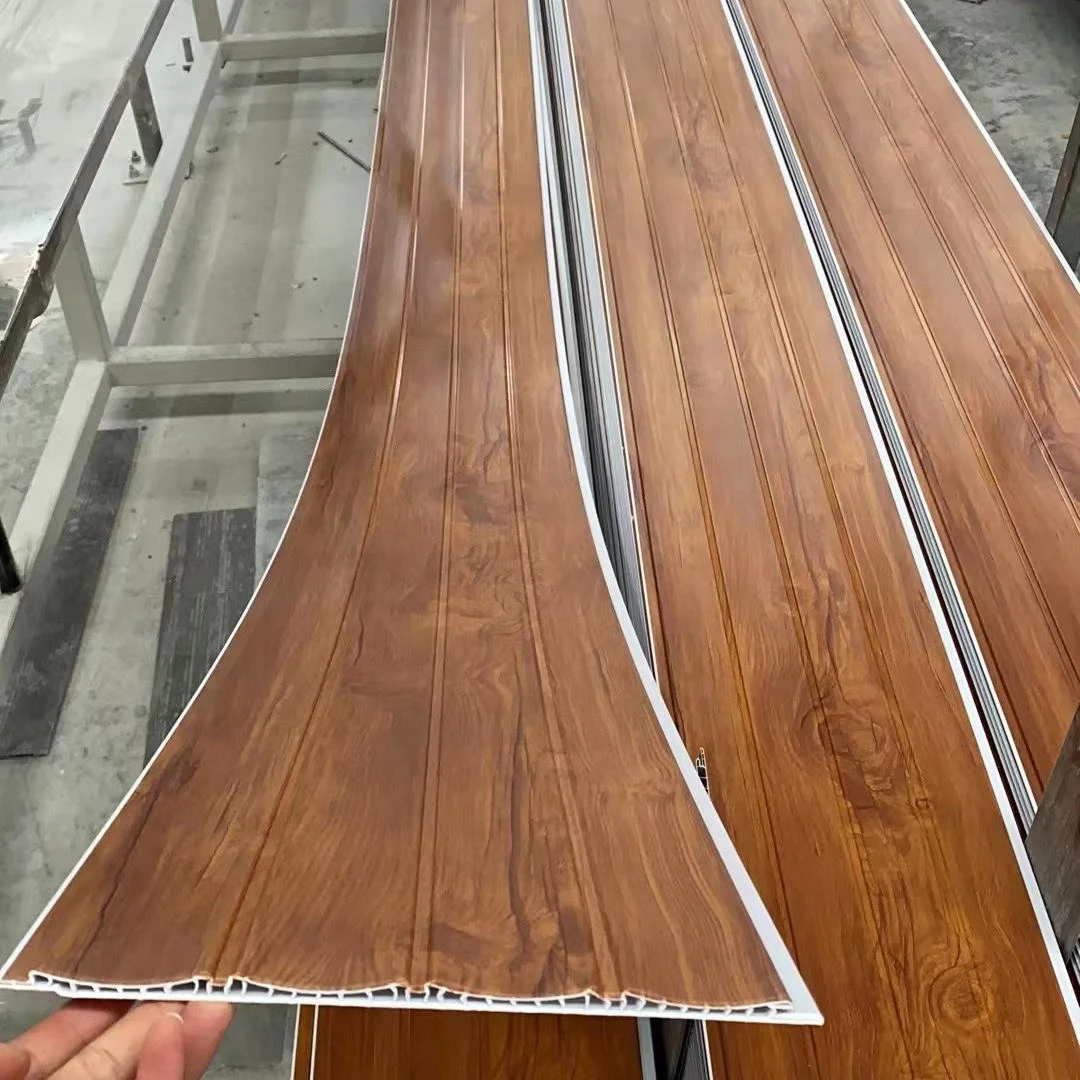
Review the finish, texture, edges and assembly behavior on the intended scale. Ask whether the sample represents the production construction and current finish.
For adhesive-backed coverings, test representative substrates using the selected product's instructions. For rigid profiles, check joints, trims and fixing details with the intended installation system.
Do not transfer a sample approval to another model or finish without written agreement. Keep dated photographs and the retained reference with your purchase file.
Ask for documents with a defined scope
Request the document title, report identifier, test method and tested construction. Check whether the document names the quoted model or a different material.
Fire, emissions, acoustic and exterior claims need exact evidence. A supplier logo, room photograph or generic material name cannot establish project compliance.
| Evidence check | Buyer action |
|---|---|
| Product identity | Match model, finish and construction |
| Test scope | Read the tested assembly and limitations |
| Issuer and date | Record the document source |
| Destination need | Ask which standard applies |
| Open questions | Hold the claim until answered |
Use our quality-control page to structure document questions. The final project approval remains with the responsible professional.
Compare packing and response discipline
Ask for carton dimensions, gross weight, pieces per carton and protection method. These details affect freight, receiving and damage investigation.
Response quality is also useful evidence about order coordination. Record whether the supplier answers the exact question, preserves model identity and flags uncertainty.
Do not treat fast replies as proof of product quality. Use response discipline alongside evidence, sample approval and commercial terms.

Build a decision record
Choose criteria that match your project rather than copying a generic scorecard. Keep price, technical acceptance, sample result, packing and communication as separate fields.
A score should summarize documented evidence, not create evidence where none exists. Ask a second reviewer to inspect the final comparison before placing an order.
Send the same shortlist to every bidder. Use our inquiry form when you want help organizing a comparable request.
Questions buyers ask
Is the lowest quotation the best supplier?
Not necessarily, because a lower number can omit accessories, documents or delivery scope. Compare accepted specifications and total costs first.
Should I select the supplier with the largest catalog?
A large catalog does not prove that every model is available or traceable. Shortlist the exact products your project can approve.
Does a sample prove long-term performance?
No, a sample helps review appearance and selected conditions. Performance claims still require applicable model-specific evidence.